

FEBRUARY | Having It All
What Data Tells Us About Women's Lives and Getting the Most Out of Yours

Was there ever a more compelling subheading for a maximizer, optimizer, high-achiever, ambitious woman?
Yes, these exact tendencies might be part of why we're drowning... but I'm hooked anyway.
The introduction to Having It All reads like a (very thoughtful) manifesto for the 21st century woman.
The author calls it a “guide to getting the most happiness and satisfaction from your life and career in a world full of constraints.”
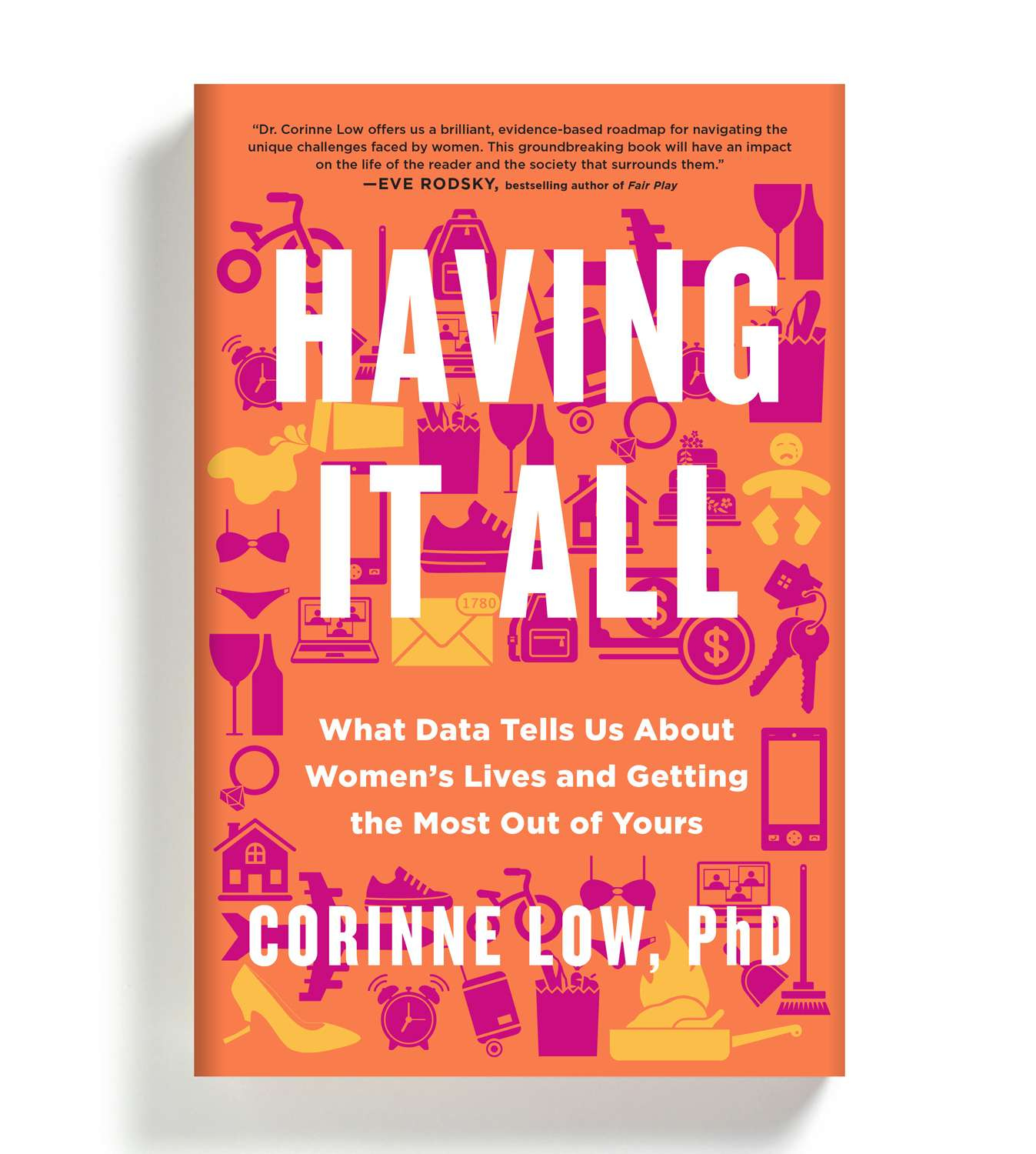
Having It All is technically our February discussion topic (this is your notice to get reading before our call at the end of month) but I can already tell it’s going to be fodder for the rest of the year:
If you had the ability to delegate some key responsibilities or tasks to others, what possibilities would open up for you? There are also strategies for freeing up your time even if paying for things truly isn’t an option…
This line is from the introduction, but it could have been lifted verbatim from any of the zoom calls I’ve had in the past 12 months. We touch on this in all of my workshops and 1:1 work.
The answer is usually practical — more time, etc. But there’s something less concrete yet equally tangible: the emotional benefits of rediscovering joy. As in any aspect of life, offloading a part that feels especially heavy can have outsized impact on your emotional experience.
A data-based discussion around this is going to be fascinating.
If I’m honest, I was initially a little afraid to read Having it All.
I read The Defining Decade by Meg Jay in my late 20s and gave a copy to all 4 of my younger siblings.
I pride myself on making deliberate and intentional decisions. I try hard to live without regrets.
So, in my 20s, I was eager for an instruction manual for life. But now? I’ve already made some pretty committal choices. I have a husband, two kids, and three degrees. What if the data shows I’ve chosen sub-optimally?
Reassuringly, Dr. Low promises us that Having it All isn’t just for twentysomethings:
It’s for women who are considering relationships or children in the context of planning careers, and it’s for women who already have kids and are looking to make the impossible puzzle pieces fit, and for those whose kids have moved out of the house and are wondering what’s next.
And it’s for women who are looking for a partner, trying to make a marriage work, and those who are newly divorced. Because in all these stages, women face unique constraints from an economic system that devalues their contributions and their well-being.
And don’t we know it?!
There’s a Michelle Obama quote that’s circulating right now about how having it all ≠ having it all at once. She says “You can have it all over a period of time,” adding that life has “chapters; you don’t lose out because you didn’t read the whole book in one sitting.”
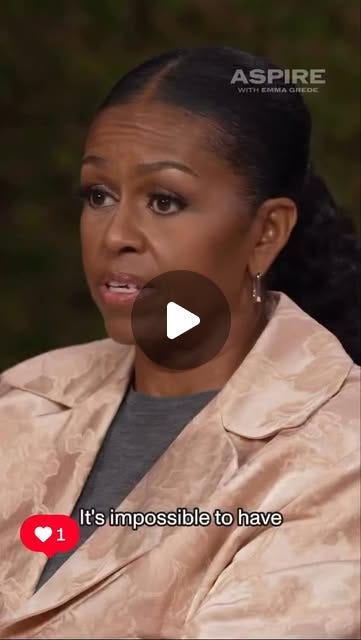
I’ve been taking particular comfort in this quote, along with stories like Vera Wang not having designed her first wedding dress until she was 40, as I find myself in a season of life that requires moving a little more slowly.
I’m excited to see what the data says about how I should be managing this phase. As further proof that there’s something here for all of us, Reshma Saujani recently hosted Corinne Low on “My So-Called Midlife.” (← I’m linking to the podcast in case books are simply not at all feasible for you in this season, so you can still get some context before joining our live discussion later this month.)
If you’re on the fence about the book, I’ve got three facts that may sway your decision:
The dedication is “For the women who just can’t do it anymore”
The title of the first chapter is “Winning the Bread and Baking It Too” (it’s like an economics textbook, only filled with wry wit!)
The author promises the book will “arm you with the tools to get more of what you need: from your partner, from your boss, and from the system itself.”
Cheers!
Jennifer
You May Also Be Interested In

P.S. Our January Discussion of What’s On Her Mind by Allison Daminger featuring Sunshine Yin and Becky Murray is now available. You can watch the full recording here. I'll be sharing key insights from that conversation in upcoming posts—but I wanted to get February's book in your hands now so you have time to read before our discussion at month's end.

P.P.S. Looking for accountability to make sure you finish Having it All this month? Raise your hand to be a featured voice in our February live discussion — just reply to this message and let me know you’re in.
This post is part of the Mental Load Discussion Club, a subsection of The Third Shift where we engage with the books, scholarship, and wider conversation surrounding the mental load.
If you prefer to focus on practical solutions for family operations and opt out of the books/learning, you can separately unsubscribe from the Discussion Club while remaining subscribed to The Third Shift.